
A 16 vs 20 passenger Galapagos cruise decision is about how the ship feels day to day—deck circulation, dining rhythm, panga group size, and cabin adjacency—not a wildlife scoreboard. Four more guests can change comfort without changing the park rules that govern landings. Read the deck plan and published capacity before brochure adjectives decide the booking. For the bigger picture on ships, itineraries and prices, see our Galapagos cruises guide.
16 vs 20 passenger Galapagos cruise: what is the quick answer?
Quick answer: choose the smaller side of a 16 vs 20 passenger Galapagos cruise when you want a more intimate lounge and dining feel and are comfortable with tighter common spaces; choose the larger side when you want a bit more social buffer, potentially more cabin category choice, and can accept a slightly busier public-area rhythm. Skip either band if the itinerary letter or cabin layout does not match your group—guest count alone does not fix a mismatched route.
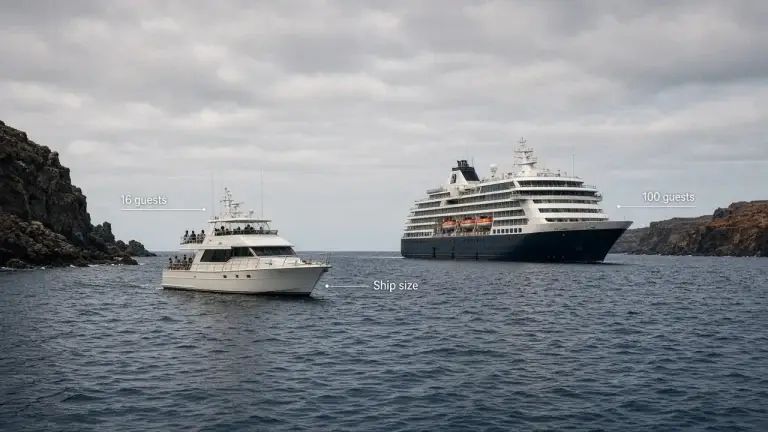
That is the practical core of a 16 vs 20 passenger Galapagos cruise. Both bands sit in the small expedition world compared with 100-passenger ships.
A serious 16 vs 20 passenger Galapagos cruise decision therefore starts with published guest capacity, public-deck square footage cues, and how shore groups typically split—not with a four-guest mythology.
Use this rule of thumb
- Prefer ~16 when intimacy and quieter evenings matter most.
- Prefer ~20 when you want a touch more social variety or cabin inventory flexibility.
- Always verify published capacity and deck plans before photos decide a 16 vs 20 passenger Galapagos cruise.
- Treat wildlife as habitat access plus season—not a function of four extra beds.
Start with cruise ships, compare broader size framing in our 16 vs 100 passenger guide, and shortlist sailings in the Finder.
What changes in the real onboard experience?
The real onboard experience is where a 16 vs 20 passenger Galapagos cruise shows up—meals, briefings, hallways, and panga boarding. It is less about “better” and more about fit.
Dining and briefing rhythm
Fewer guests usually means a more intimate table conversation and a single briefing circle that feels like a field camp. Twenty guests can still feel small, but the room fills faster and side conversations multiply.
Public decks and circulation
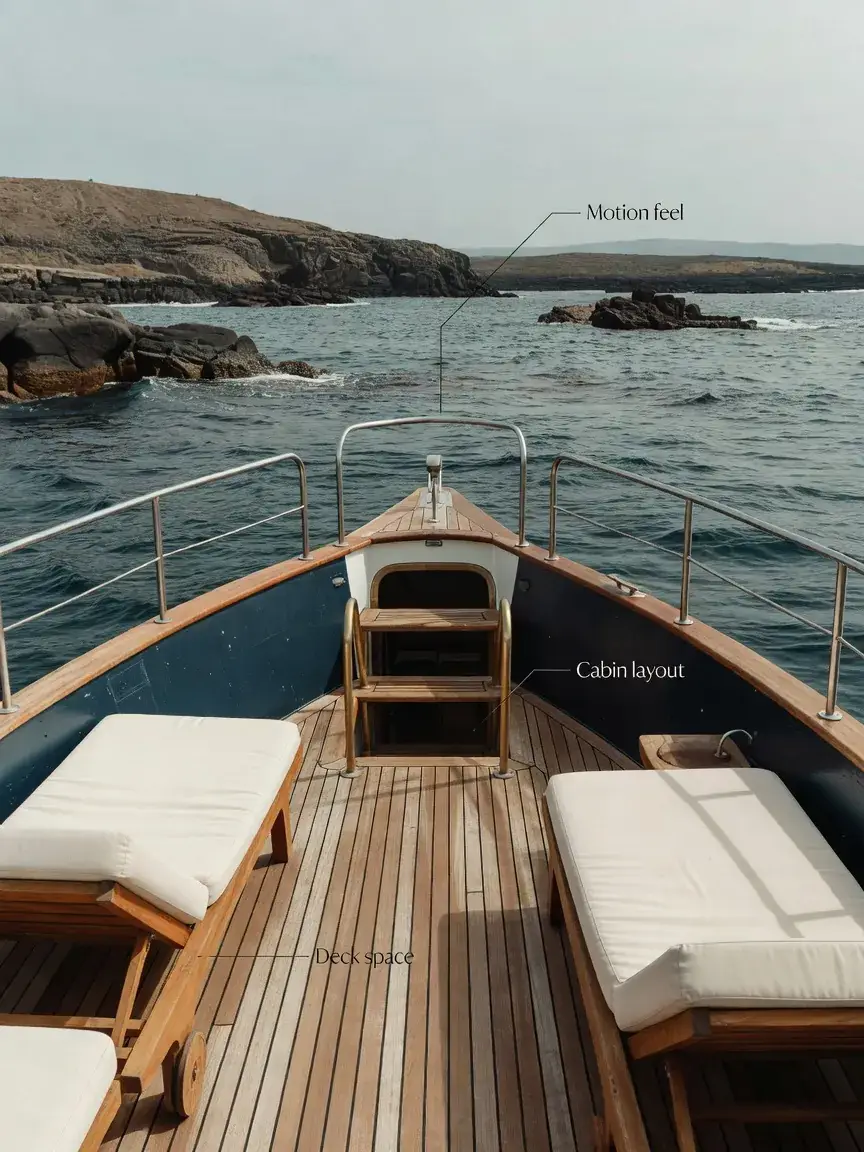
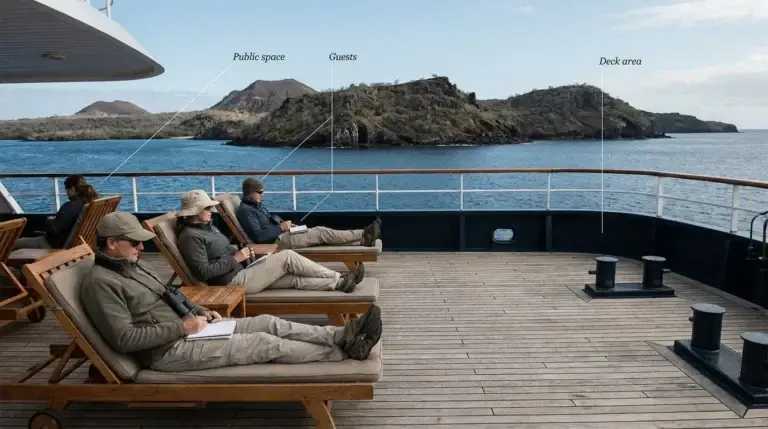
Four more people share the same sundeck, bow, and lounge pathways. On compact yachts that difference is noticeable at sunset or when everyone gears up for a landing. On slightly roomier 20-guest layouts, circulation may feel easier if the deck plan supports it—capacity without deck area is only half the story in a 16 vs 20 passenger Galapagos cruise. Watch for choke points at companionways and gear stations.
Panga and shore-group feel
Park rules and guide logistics shape shore groups on both bands. Ask how many guests typically board each panga and whether landings split. The answer often matters more than the brochure’s guest-count headline. Boarding order, wet-landing timing, and photo pauses all scale with how many people share each tender run.
Noise and evening energy
With more guests aboard, evening energy can rise even when everyone is friendly. If you sleep lightly, map cabin locations away from lounge doors and crew work areas. Intimacy is wonderful until the wrong cabin sits beside the social hub—verify that on the plan, not in a marketing video.
How do comfort, motion and layout affect different travelers?
Comfort, motion, and layout interact with guest count—the practical heart of a 16 vs 20 passenger Galapagos cruise for mixed groups.
Motion sensitivity
Guest count does not rewrite hull physics, but busier public spaces can make a lively sea day feel more intense. If motion is a concern, prioritize hull type and cabin location (midship, lower) alongside the guest bandsee also catamaran vs motor yacht and small yacht vs expedition ship. Stabilization claims, if any, should be verified as vessel-specific facts, not assumed from capacity labels.
Families and mixed ages
Families often care about cabin adjacency and quiet corners more than a four-guest delta. Map who needs interconnecting rooms or lower berths. A well-laid-out 20-guest yacht can beat a cramped 16-guest layout for kidsif the deck plan proves it. Teenagers may appreciate a larger lounge; grandparents may prefer fewer strangers in the briefing circle. Write those preferences down before inventory pressure forces a compromise.
Social energy versus privacy
Some travelers want a living-room feel; others want more strangers-to-friends variety without boarding a large ship. Place your group on that spectrum before treating four guests as automatically “better” or “worse.” Couples, friend groups, and multi-household trips often disagree here—align early.
Solo and odd-number travelers
Solo travelers should check whether the vessel offers twin/share options or single supplements in each capacity band. Odd-numbered parties should confirm how empty berths are handled. Inventory shape can matter more than the four-guest headline when you book a 16 vs 20 passenger Galapagos cruise sailing.
Which ship or cabin features deserve the most weight?
Features beat slogans when you decide a 16 vs 20 passenger Galapagos cruise.
Published capacity and cabin inventory
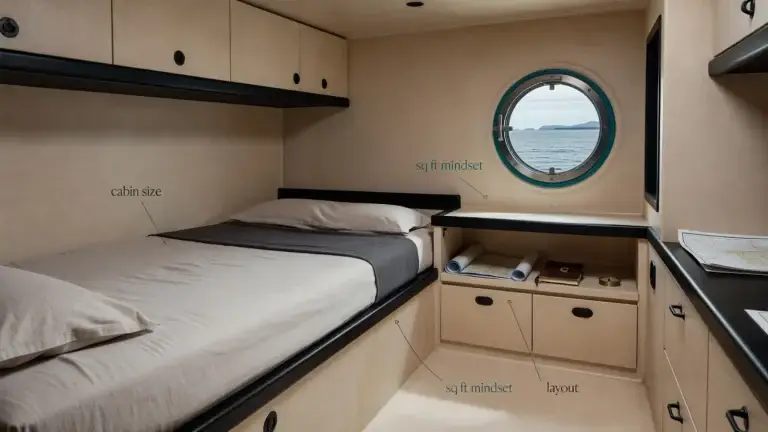
Confirm how many guests the vessel is licensed or marketed to carry, how many cabins, and which categories exist. A “20 passenger” label with many twin options may suit singles better than a 16-guest yacht of mostly doublesor the reverse. Inventory shape matters. Ask for a cabin list with bed configurations, not only suite names.
Deck plan reality
Look for lounge size, outdoor seating, bar/coffee corners, and whether hallways bottleneck. Photos of empty decks mislead; ask for a labeled deck plan. That document is central to any honest 16 vs 20 passenger Galapagos cruise. If two vessels claim similar capacity but one has a larger sundeck and clearer circulation, the lived experience will diverge.
Guide logistics and inclusions framing
Ask how naturalist briefings and shore groups typically run at full occupancy. Compare inclusions the same way for both vessels—park fees, Transit Control Card, flights, tips, and drinks often sit outside headline figures. No invented sticker prices: speak in drivers and itemized proposals for the same month. A cheaper headline on a busier layout is not automatically better value.
When to widen the comparison
If twenty still feels too intimate—or sixteen feels too tight—widen to the 16 vs 100 spectrum rather than forcing a four-guest debate. Charter paths also change the math when your party can buy out a yacht near these capacities.
What should you verify on the deck plan before booking?
Before you deposit, verify operational facts on the deck plan. A clean checklist keeps a 16 vs 20 passenger Galapagos cruise decision grounded.
Deck-plan checklist
- Exact published guest capacity and cabin count by category
- Cabin locations for your party (noise, motion, adjacency)
- Interconnecting or family-friendly options if needed
- Lounge and dining capacity relative to full occupancy
- Outdoor deck seating at full house
- Companionway and hallway choke points
- Tender/panga boarding access notes if provided
- Any notes on elevator access or stair-only movement for mobility needs
Questions to ask the planner
Ask: At full occupancy, how are dinners and briefings typically organized? Ask: How do shore groups usually split? Ask: Which cabins are midship or lower for motion-sensitive guests? Ask: What is included versus park fee, Transit Control Card, flights, tips, and drinks? Ask: Can we see a labeled deck plan for this exact vessel—not a sister ship?
Booking path
If the checklist points to a small-yacht band, browse cruise ships and filter dates in the Finder. If you need exclusivity near these capacities, explore yacht charter instead of stretching a shared inventory fight. Either way, treat the 16 vs 20 passenger Galapagos cruise as layout-plus-rhythm math inside park rules.
Frequently asked questions for “16 vs 20 passenger Galapagos cruise”
Do four more guests ruin the small-ship feel?
Usually not. Both sides remain far below large expedition ships. The difference is nuance—lounges, dining, and boarding pace—not a category jump for a 16 vs 20 passenger Galapagos cruise shopper.
Does a smaller guest count mean better wildlife?
No. Habitat access depends on permitted visitor sites, season, and conditions. Guest count can change privacy and pacing; it does not guarantee animals.
Is 16 always more comfortable than 20?
Not if the 16-guest yacht has tighter public decks or a worse cabin map for your party. Comfort is layout plus capacity—verify both for a 16 vs 20 passenger Galapagos cruise.
How should couples without a big group choose?
Prioritize itinerary letter and cabin location first, then use guest count as a tiebreaker for social energy. Many couples are happy on either side of a 16 vs 20 passenger Galapagos cruise when the route matches.
When should we look beyond the 16–20 band?
When you want large-ship amenities, elevator access, or more medical/facility cushion—or when you need a full buyout for a private group. Widen with 16 vs 100 or yacht charter as needed.
{“@context”:”https://schema.org”,”@type”:”FAQPage”,”mainEntity”:[{“@type”:”Question”,”name”:”Do four more guests ruin the small-ship feel?”,”acceptedAnswer”:{“@type”:”Answer”,”text”:”Usually not. Both sides remain far below large expedition ships. The difference is nuance—lounges, dining, and boarding pace—not a category jump for a 16 vs 20 passenger Galapagos cruise shopper.”}},{“@type”:”Question”,”name”:”Does a smaller guest count mean better wildlife?”,”acceptedAnswer”:{“@type”:”Answer”,”text”:”No. Habitat access depends on permitted visitor sites, season, and conditions. Guest count can change privacy and pacing ; it does not guarantee animals.”}},{“@type”:”Question”,”name”:”Is 16 always more comfortable than 20?”,”acceptedAnswer”:{“@type”:”Answer”,”text”:”Not if the 16-guest yacht has tighter public decks or a worse cabin map for your party. Comfort is layout plus capacity—verify both for a 16 vs 20 passenger Galapagos cruise .”}},{“@type”:”Question”,”name”:”How should couples without a big group choose?”,”acceptedAnswer”:{“@type”:”Answer”,”text”:”Prioritize itinerary letter and cabin location first, then use guest count as a tiebreaker for social energy. Many couples are happy on either side of a 16 vs 20 passenger Galapagos cruise when the route matches.”}},{“@type”:”Question”,”name”:”When should we look beyond the 16–20 band?”,”acceptedAnswer”:{“@type”:”Answer”,”text”:”When you want large-ship amenities, elevator access, or more medical/facility cushion—or when you need a full buyout for a private group. Widen with 16 vs 100 or yacht charter as needed.”}}]}
Freeze the deck plan before suite photos restart the debate. Ready to turn a 16 vs 20 passenger Galapagos cruise into a shortlist? Browse cruise ships, use the Finder, and write hola@galapagosislands.cruises when your dates and cabin priorities are clear.
Keep planning: related Galapagos guides
 Ship & Cabin Guide · 4 min readHow to Judge Space on a Galapagos Cruise Ship Without a Misleading Ratio
 Ship & Cabin Guide · 8 min readGalapagos Cruise Cabin Size: How to Compare Square Feet the Smart Way
 Ship & Cabin Guide · 8 min readGalapagos Naturalist Guide Ratio: Why It Matters More Than You Think
 Ship & Cabin Guide · 9 min read16-Passenger Yacht vs 100-Passenger Galapagos Ship: What Really Changes?
Start from the main guides: Galapagos cruises Galapagos charters Galapagos cruise ships
