
GALAPAGOS ISLANDS · ESPAÑOLA
Española Island.
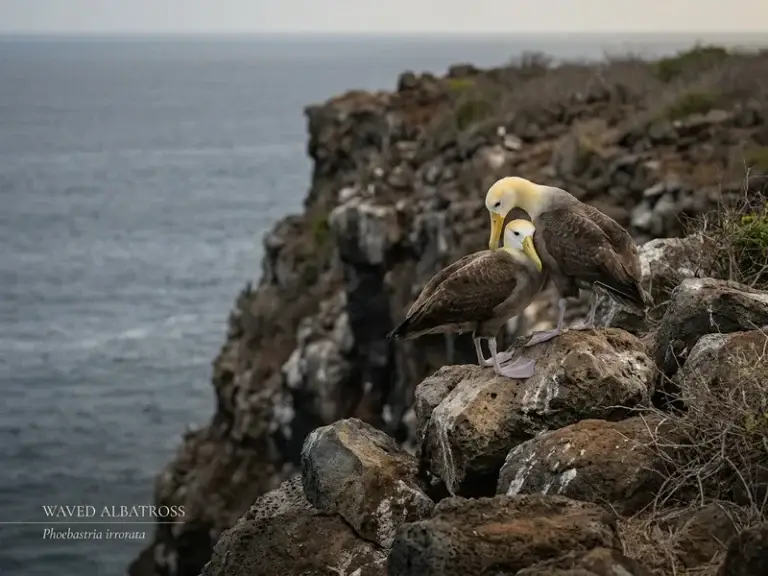
Española is the oldest and southeastern-most of the main visitor islands, famous as the main nesting ground of the waved albatross (roughly April to December), with Punta.
Española Island — Reference image only.
01 / THE ISLAND
Why Española feels different
Española is one of the oldest islands in the archipelago, and millions of years of isolation show. Its mockingbird, lava lizard and colorful marine iguanas look different from their relatives elsewhere. Without fresh lava, the island is low and eroded, with cliffs on the south side where seabirds ride the trade winds.
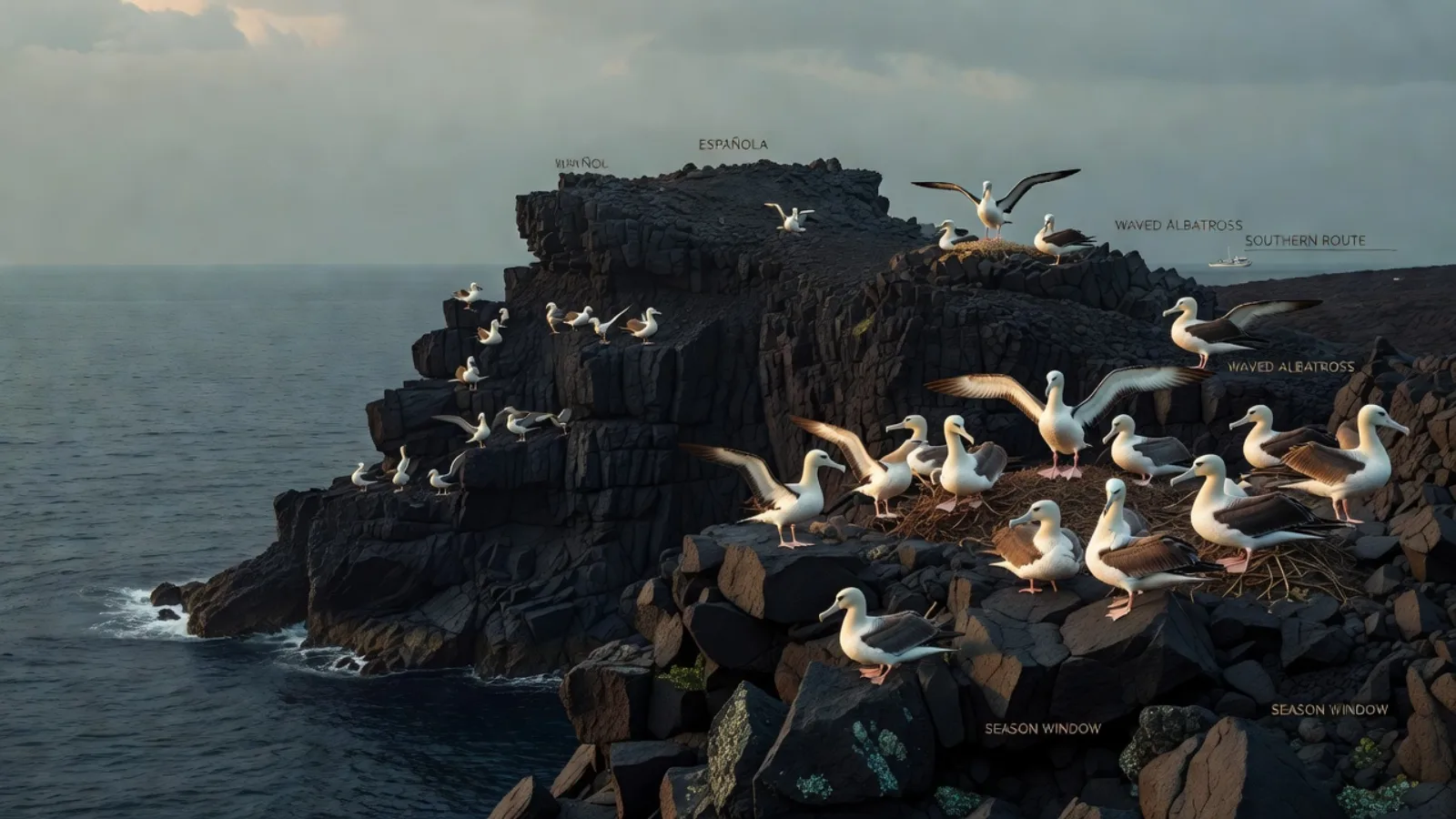
From about April, waved albatross return to nest, and their bill-fencing courtship is one of the great sights of the islands. They leave around December. Outside that window, Española is still superb for boobies, sea lions and snorkeling in Gardner Bay. Because it lies far southeast, it is usually reached on eastern itineraries that start or end in San Cristóbal.
02 / VISITOR SITES
Visitor sites on Española
| Site | Type of visit | Highlights |
|---|---|---|
| Punta Suárez | Dry landing, rocky trail | Waved albatross, Nazca and blue-footed boobies, marine iguanas, blowhole |
| Gardner Bay | Wet landing, beach, snorkel | Sea lions, Española mockingbird, reef fish |
03 / WILDLIFE
Wildlife to look for on Española
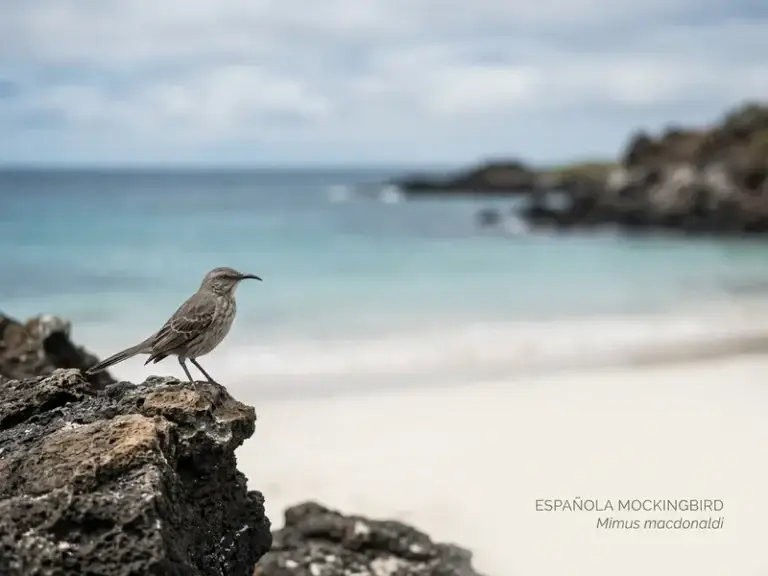
Española mockingbird
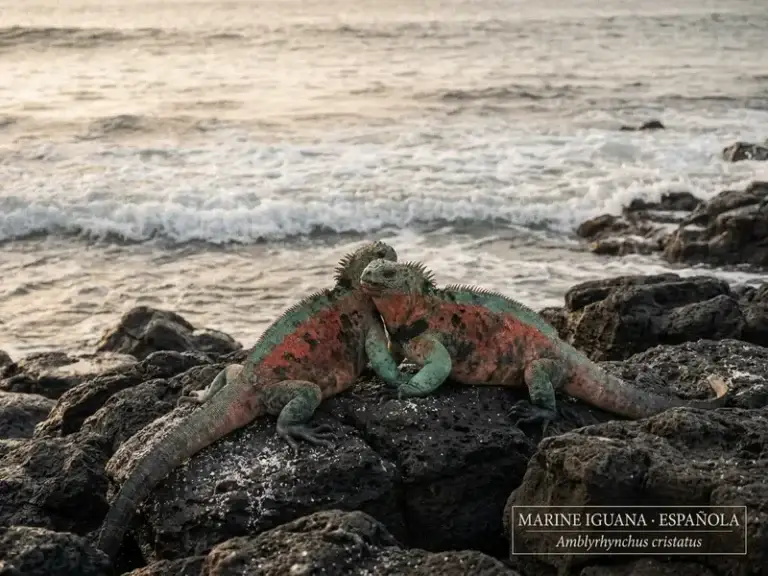
Colorful marine iguanas

Nazca boobies
04 / PRACTICAL
Practical notes
Inhabited
No
How to visit
By cruise on eastern routes
Guide
Visitor sites are led by park-accredited naturalist guides.
06 / FAQ
Española Island, Galapagos: questions
When can I see albatross on Española?
Roughly April to December, when waved albatross nest there. They are at sea the rest of the year.
Can I visit Española on a day trip?
Some day tours from San Cristóbal go to Española; most visitors arrive by cruise.
Which cruises visit Española?
Itineraries vary by boat. Email hola@galapagosislands.cruises and we list the boats that include Española on your dates.
ESPAÑOLA
Want Española on your route?
Email hola@galapagosislands.cruises. We find the boats whose itineraries include Española on your dates.
Galapagos is unlike anywhere else on Earth: wildlife that does not run from you, islands still shaped by volcanoes, and a park that limits every visit. Tell us how you like to travel and we will match you with the right boat.